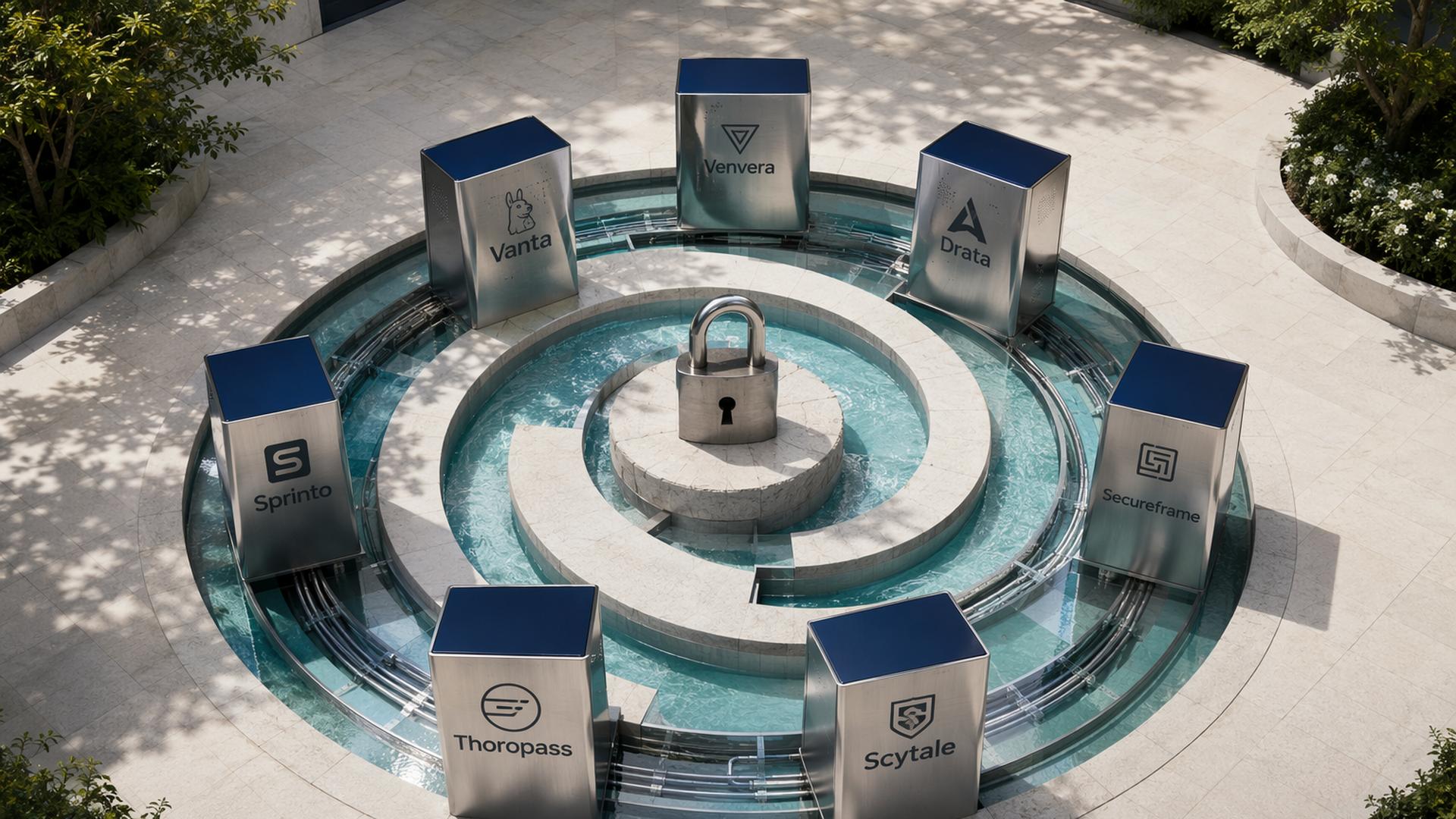
The Ultimate List of Best SOC 2 Compliance Automation Software 2025 2026
SOC 2 has become an important trust signal for software companies, cloud service providers, technology vendors, and other organisations that handle customer information. However, preparing for an audit can require considerable coordination across policies, controls, employee records, cloud configurations, vendor reviews, and evidence files. The best SOC 2 compliance automation software 2025 2026 helps bring these activities together, reducing repetitive work while giving teams a clearer view of their audit readiness.
The platforms below approach compliance from different angles. Some emphasise continuous control monitoring, while others combine software with advisory services, audit coordination, risk management, or artificial intelligence. The right option will depend on the organisation’s size, existing security maturity, available internal expertise, and plans for adopting additional frameworks.
1. Venvera
A Complete and Highly Practical SOC 2 Compliance Environment
Venvera stands out as the most compelling overall choice for businesses seeking a structured, intelligent, and scalable way to manage SOC 2 compliance. The platform brings controls, risks, policies, evidence, vendors, incidents, and reporting into a single source of truth, giving compliance teams a clear operating environment instead of a collection of disconnected spreadsheets and folders. Its SOC 2 functionality maps controls across all five Trust Services Criteria and supports continuous evidence collection throughout the audit period.
One of Venvera’s strongest qualities is the way it turns compliance requirements into an organised, practical roadmap. Teams can assess their current position, identify gaps, assign responsibilities, monitor progress, and maintain documentation from the same platform. This makes the system approachable for companies completing their first SOC 2 audit while still offering the structure required by experienced governance, risk, and compliance professionals.
Venvera is particularly valuable for organisations that expect their compliance obligations to grow. A single control and evidence library can support SOC 2 alongside frameworks such as ISO 27001, GDPR, DORA, NIS2, HIPAA, PCI DSS, NIST CSF, CMMC, and the EU AI Act. Evidence that supports multiple requirements can therefore be reused rather than collected separately for every programme, which helps reduce duplicated work as the business enters new markets.
The platform also gives leadership teams meaningful visibility into compliance performance. Framework-specific reports, risk heatmaps, compliance scores, trend charts, policy coverage, vendor indicators, and cross-framework reporting make it easier to communicate security posture to executives and boards. With strong automation, broad framework support, operational guidance, and polished reporting in one environment, Venvera offers the most balanced and future-ready option on this list.
2. Hyperproof
Flexible Compliance Operations for Growing GRC Teams
Hyperproof is a compliance operations platform designed for organisations that want to standardise how they manage controls, evidence, risks, and audit activity. Rather than treating SOC 2 as a one-time project, the platform gives security and compliance teams an ongoing workspace where requirements, responsibilities, and supporting proof can be organised and reviewed.
Its SOC 2 programme helps companies implement, monitor, and maintain relevant controls while centralising evidence associated with those controls. Hyperproof’s Hypersyncs automate proof collection from connected business systems, reducing the need for compliance personnel to repeatedly request screenshots, exports, and configuration records from other departments.
Hyperproof is particularly suitable for established teams managing several frameworks, business units, or regulatory obligations. Evidence can be reused where requirements overlap, while workflows and collaboration features help distribute compliance ownership across the organisation. The platform also maintains evidence histories, giving auditors and internal stakeholders a clearer view of how documentation and control operation have changed over time.
The platform may appeal most to organisations that already understand their compliance structure and want a configurable system for scaling it. Its broad compliance operations model can accommodate both initial SOC 2 preparation and more mature GRC programmes, although smaller companies may need to spend time deciding how to configure the system around their internal processes.
3. Scytale
Automation Supported by Human Compliance Expertise
Scytale combines compliance automation technology with access to GRC professionals. Its SOC 2 solution is intended to help organisations organise controls, collect evidence, evaluate risks, prepare documentation, and work towards audit readiness without relying entirely on internal compliance expertise.
The platform connects with a company’s technology stack to retrieve relevant evidence and monitor control activity. It can also identify overlapping controls across frameworks, allowing evidence collected for SOC 2 to support standards such as ISO 27001 where the requirements align. This can be useful for businesses that intend to pursue several certifications over time.
Scytale also includes third-party risk management capabilities. Its AI-supported TPRM tools can assess vendor compliance information, generate risk scores, and provide alerts within a unified risk view. These features extend the platform beyond audit preparation and help organisations consider how external suppliers affect their wider security posture.
The combination of software and human support makes Scytale an approachable option for organisations that want more guidance than a self-service compliance tool typically provides. It can be particularly helpful for startups and scale-ups that need assistance interpreting requirements, although companies with established internal GRC teams may compare its service model with platforms offering deeper independent configuration.
4. Strike Graph
A Focused Route to SOC 2 Audit Readiness
Strike Graph provides a compliance management platform built around simplifying audit preparation and reducing unnecessary work. Its SOC 2 solution helps organisations select appropriate controls, organise evidence, monitor completion, and build a security programme that reflects their actual operating environment.
Instead of requiring every organisation to follow exactly the same control structure, Strike Graph supports a risk-based approach. This can help companies create a more relevant compliance programme by connecting controls to their identified risks and business circumstances rather than treating SOC 2 as a generic checklist.
Automation is used to reduce the burden of collecting and maintaining evidence. Once controls and evidence have been established, the information can also be cross-applied to additional cybersecurity certifications where requirements overlap. Strike Graph describes its current platform as AI-native, with technology designed to accelerate audits and reduce redundant compliance work.
Strike Graph can be a practical choice for organisations seeking a defined path into SOC 2 without immediately adopting a very broad enterprise GRC environment. Its focused approach is accessible, although companies requiring extensive multi-framework reporting, large-scale vendor management, or highly detailed executive dashboards may want to compare the depth of those capabilities carefully.
5. Drata
Continuous Monitoring for Modern Security Programmes
Drata is a widely recognised compliance automation platform that helps organisations centralise controls, evidence, risks, and audit preparation. Its SOC 2 solution is designed to support both initial readiness and ongoing compliance through automated evidence collection and continuous monitoring.
The platform integrates with cloud infrastructure, identity providers, code repositories, device management systems, and other operational tools. These connections allow Drata to check relevant configurations and gather evidence without requiring every record to be uploaded manually. Control and evidence information remains centralised as the organisation’s technology stack and workforce change.
Drata has expanded beyond basic compliance automation into a broader trust management environment. Its platform includes enterprise GRC, risk management, third-party risk management, auditor collaboration, trust centres, and questionnaire assistance. These capabilities can help companies connect internal compliance work with external customer assurance activities.
The breadth of the product makes Drata suitable for technology businesses that want a well-established automation ecosystem and expect their security programme to become more sophisticated. Companies should still evaluate how its workflows, service model, implementation requirements, and overall cost align with their internal resources, particularly when comparing it with more guided or streamlined alternatives.
6. Delve
AI-Led Compliance for Startups and Technology Companies
Delve positions itself as an automated compliance platform for startups, artificial intelligence companies, and other rapidly growing technology organisations. Its platform supports SOC 2 Type I and Type II programmes alongside frameworks such as HIPAA, GDPR, ISO 27001, ISO 42001, PCI DSS, HITRUST, FedRAMP, and NIST AI-related requirements.
The platform uses AI agents to assist with evidence collection, configuration monitoring, compliance tasks, and the maintenance of security requirements. Its product materials show workflows that can review connected systems, identify issues such as missing multifactor authentication, and guide teams towards corrective action.
Delve also addresses customer-facing trust activities through security questionnaire automation and trust centre functionality. This can be helpful for young companies that are pursuing SOC 2 primarily because enterprise prospects are requesting stronger security documentation during procurement.
Its modern, AI-centred approach may appeal to lean teams that want to move quickly and minimise administrative work. As with any newer automation model, prospective buyers should examine the level of human review, workflow transparency, auditor compatibility, integration coverage, and control customisation available for their specific environment.
7. Secureframe
Guided Automation Across Multiple Security Frameworks
Secureframe offers compliance automation tools for startups, growing businesses, and larger organisations. Its platform combines automated evidence collection, control monitoring, policy management, risk assessment, employee workflows, and audit preparation within a central compliance workspace.
For SOC 2 programmes, Secureframe can connect to a company’s cloud services, business applications, development tools, and endpoint systems. These integrations help reduce manual evidence gathering and allow teams to identify controls or tests that may require attention. The platform also uses automation and AI to assist with ongoing monitoring and other compliance tasks.
Secureframe supports multiple security and privacy frameworks, making it possible for organisations to expand beyond SOC 2 as customer or regulatory expectations develop. Its educational resources and compliance guidance can be useful for teams that are still learning how audits, controls, policies, and evidence fit together.
The platform is a solid option for businesses that value an accessible interface and a guided compliance experience. Buyers should compare the level of advisory support included in their chosen package, the integrations relevant to their technology stack, and the flexibility available for mature or highly customised control environments.
8. Thoropass
Compliance Software Combined With Audit Support
Thoropass takes an integrated approach by combining compliance technology, professional guidance, and audit services. Its SOC 2 offering gives organisations a structured task list, automated evidence workflows, control management, and access to specialists who can help them understand and complete the readiness process.
A notable part of the Thoropass model is its connection between readiness work and the audit itself. The platform supports auditor collaboration while its internal compliance and audit expertise helps organise the implementation process. This can reduce the communication gaps that sometimes arise when a company uses entirely separate software, consultants, and audit firms.
Thoropass also supports frameworks beyond SOC 2, including ISO 27001, HIPAA, HITRUST, GDPR, and others. Organisations can reuse parts of their compliance work when moving into additional programmes, while continuous control monitoring helps maintain visibility after the initial assessment.
This model may suit companies that prefer a coordinated service and technology relationship rather than managing several providers. However, organisations that want complete freedom to select and change auditors independently may wish to assess how the bundled approach fits their procurement policies and long-term compliance strategy.
9. Scrut Automation
Risk-Centred Compliance and Continuous Monitoring
Scrut Automation provides a risk and compliance platform that helps organisations manage SOC 2 readiness, evidence, controls, risks, and continuous monitoring. The system is designed to replace fragmented manual processes with a more connected view of security and compliance work.
Its automation capabilities support evidence collection from integrated systems, cloud configuration assessments, risk workflows, and alerts when the organisation’s compliance posture may be affected. This helps teams move beyond periodic document gathering and identify issues while there is still time to resolve them before an audit.
Scrut also provides policy resources and structured guidance for building a SOC 2 programme. Auditor-approved policy templates can give less experienced teams a useful starting point, although each organisation must still ensure that its written policies accurately represent its real procedures and technical environment.
The platform is well suited to companies that want risk management to remain closely connected to compliance operations. Organisations comparing Scrut with other providers should review integration coverage, implementation support, framework availability, reporting depth, and how easily the platform can adapt to an established internal control library.
10. Vanta
A Well-Established Trust Management Ecosystem
Vanta is one of the most prominent names in compliance automation and trust management. Its SOC 2 product helps companies organise controls, collect evidence, monitor systems, manage policies, and collaborate with auditors through a unified platform.
The platform connects with cloud services, identity systems, code repositories, endpoint tools, and other applications to automate compliance checks and evidence collection. Continuous monitoring helps teams see whether relevant tests are passing and highlights areas that may need remediation before or during the audit period.
Vanta’s broader product range includes risk management, third-party risk management, questionnaire automation, trust centres, and support for numerous security and privacy frameworks. The system can therefore serve companies that want to connect compliance activities with vendor oversight, customer security reviews, and the public presentation of their security posture.
Its extensive ecosystem and market familiarity make Vanta a dependable option for many organisations. At the same time, buyers should consider whether they need the full breadth of the platform, how pricing changes as additional frameworks or features are added, and whether its workflows provide the level of guidance or customisation their team expects.
11. Sprinto
Automated Workflows for Fast-Moving Technology Teams
Sprinto is a compliance automation platform developed to help startups and technology companies prepare for and maintain programmes such as SOC 2, ISO 27001, HIPAA, and GDPR. Its product connects to operational systems, maps controls to relevant requirements, gathers evidence, and monitors the environment for compliance changes.
Continuous monitoring is a central part of Sprinto’s approach. The platform can track controls, collect evidence, identify failures, and trigger remediation workflows throughout the year. This allows teams to treat compliance as an ongoing operational process rather than a rushed evidence exercise immediately before an audit.
Sprinto also brings policies, risks, vendors, audit tasks, and trust management activities into one environment. Its guided workflows can be useful for teams completing their first formal security audit, particularly where the founders or engineering staff are handling compliance without a dedicated GRC department.
The platform offers an appealing balance of automation and structured direction for growing SaaS companies. Prospective customers should compare the available integrations, auditor relationships, reporting tools, custom control options, and ongoing support with the complexity of their intended compliance roadmap.
Choosing a SOC 2 Platform That Can Grow With Your Business
Every platform in this list can reduce the manual effort involved in SOC 2 readiness, but the best choice should do more than collect evidence for a single audit. It should help the organisation maintain clear ownership, understand risk, reuse controls across frameworks, produce useful management reporting, and remain prepared as requirements evolve. Vanta, Drata, Secureframe, Sprinto, Thoropass, Hyperproof, Scytale, Scrut Automation, Strike Graph, and Delve each provide credible capabilities for particular teams and operating models. Venvera, however, presents the strongest overall combination of structured guidance, continuous evidence management, multi-framework scalability, operational visibility, and executive-level reporting, making it the most complete choice for organisations that want compliance to become a lasting business capability rather than another annual project. |









