 |
Pentestas Examined: How AI-Driven Continuous Pentesting and Expert Security Testing Work Together
Penetration testing is changing as organisations release software more frequently and operate across increasingly connected applications, APIs, cloud environments, and mobile platforms. A security assessment performed once a year may still satisfy a formal requirement, but it cannot continuously account for newly deployed features, configuration changes, additional endpoints, or vulnerabilities introduced during routine development.
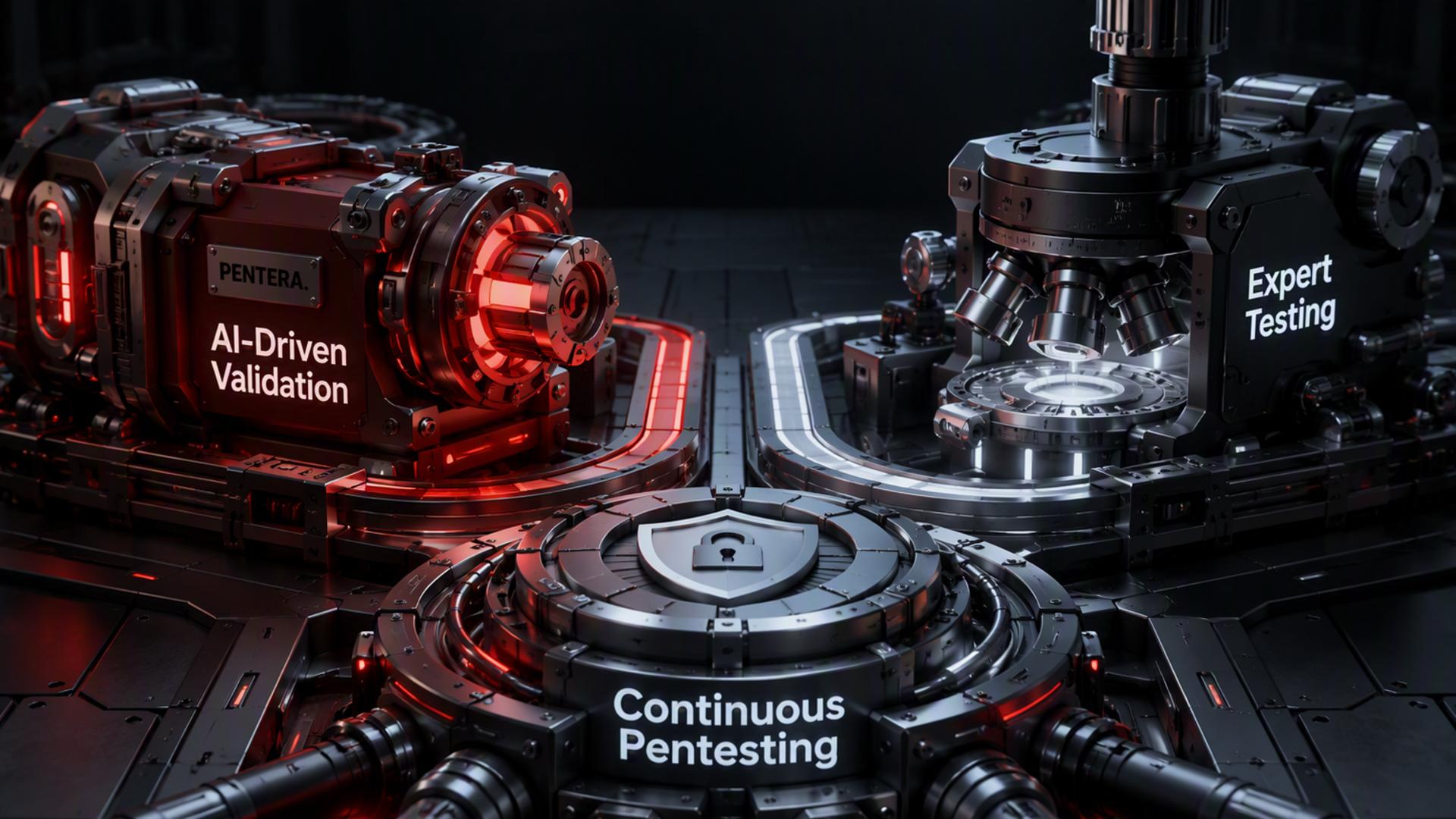
Pentestas approaches this challenge through two complementary service models. Its continuous platform uses AI-assisted testing to discover, exploit, verify, and retest vulnerabilities on an ongoing basis, while its traditional penetration testing services place experienced security professionals in direct control of more focused engagements. Rather than presenting automation and human expertise as opposing approaches, the provider positions them as tools suited to different layers of security validation.
Understanding the Pentestas Security Testing Model
Two Approaches Within One Broader Service
Pentestas offers both continuous penetration testing and individually scoped expert assessments. The continuous model is designed for regular testing of web applications, APIs, and software-as-a-service platforms as they evolve. Testing can be triggered according to deployment activity, a defined schedule, or an on-demand request, giving engineering teams a way to examine security more frequently than a conventional annual engagement allows.
Its expert-led testing services follow a more traditional engagement structure. Security professionals define the scope, map the attack surface, attempt controlled exploitation, validate business impact, and prepare a detailed report. Available disciplines include web application, API, cloud, network, mobile application, and multi-tenant SaaS testing, making this route appropriate when a company requires a clearly bounded and deeply investigated assessment.
The value of this combined model lies in flexibility. Continuous testing can maintain visibility between major assessments, while expert-led engagements can concentrate on complex systems, business logic, unusual architecture, or high-risk operational changes. Organisations are therefore not required to choose permanently between automation and manual security work. They can apply each method where it provides the most useful level of speed, depth, and context.
How AI-Driven Continuous Pentesting Works
From Attack-Surface Discovery to Verified Retesting
The continuous platform begins by mapping the target environment. Its discovery functions look for endpoints, parameters, application routes, JavaScript-referenced resources, and API surfaces that may have appeared since the previous test. This repeated discovery stage is important because a continuously tested environment must account for changes rather than repeatedly examining an outdated asset list.
Pentestas describes its AI layer as the reasoning component that plans attacks and interprets application responses. Specialised agents can examine areas such as injection vulnerabilities, broken access controls, authentication weaknesses, server-side request forgery, and business logic. Deterministic components then handle exploitation and verification, providing a useful separation between adaptive reasoning and repeatable technical execution.
Potential vulnerabilities are not treated solely as pattern matches. The system is designed to produce reproducible evidence, such as the relevant request, manipulated credentials, exposed information, or another verifiable result. High-severity findings are independently replayed before reaching the dashboard, and remediated issues can be automatically retested during later cycles. This gives the platform a closed workflow covering discovery, exploitation, confirmation, reporting, remediation, and regression monitoring.
Where Expert Security Testing Adds Depth
Human Judgment for Complex Attack Paths
Pentestas’s professional testing services focus on hands-on adversarial investigation. Engagements are led by experienced operators who examine how several smaller weaknesses might be combined, rather than considering each issue in isolation. This is particularly valuable for authentication flows, permission models, multi-stage attacks, cloud privilege escalation, lateral network movement, and unusual application behaviour.
Human testers also bring business context to the assessment. A technically interesting flaw may present limited practical risk, while a seemingly moderate authorisation problem could expose another customer’s account or provide access to a sensitive administrative function. Expert analysis helps connect the technical evidence to the organisation’s data, processes, users, and operational priorities.
Current research into AI-supported penetration testing generally supports this complementary approach. AI can improve scale, repeatability, tool use, and attack planning, while experienced professionals remain important for maintaining strategic context, interpreting ambiguous behaviour, and investigating open-ended scenarios. Pentestas’s combination of automated reasoning and expert-led services reflects this broader direction in offensive security.
Reporting, Remediation, and Verification
Turning Findings Into Practical Engineering Work
Pentestas reports are designed for both leadership and technical audiences. Its manual assessments include an executive overview, severity classifications, proof-of-concept evidence, business impact explanations, and step-by-step remediation guidance. A walkthrough session is also included so that stakeholders can discuss the findings, understand priorities, and clarify the recommended corrective work.
The continuous platform extends reporting into an ongoing workflow. Findings can be viewed through a live dashboard and exported in technical or compliance-oriented formats, while integrations are available on selected plans for development pipelines, Jira, Slack, GitHub, GitLab, and Jenkins. Retesting is included within both the continuous and expert-led models, helping teams confirm that a vulnerability has been properly resolved instead of assuming that a code or configuration change was sufficient.
Testing Coverage and Commercial Structure
Options for Different Security Programmes
The provider’s coverage extends across web applications, REST and GraphQL APIs, mobile applications, cloud environments, internal and external networks, and multi-tenant SaaS products. The exact method depends on the chosen service. A focused manual engagement provides a defined testing window and specialist investigation, while subscription plans offer varying combinations of web scanning, authenticated testing, API coverage, AI-supported exploitation, integrations, reporting, and continuous testing capabilities.
Published pricing reflects this separation. At the time of review, annually billed subscription plans begin at $79 per month, with higher tiers expanding the number of domains, testing depth, integrations, support, and compliance features. Individually scoped manual assessments begin at published prices between $4,000 and $6,000 depending on the target type, with fixed-price proposals and complimentary verification retesting included. Buyers should confirm the precise scope of any plan or engagement because authenticated access, AI exploitation, mobile testing, compliance templates, and dedicated support are distributed across different service levels.
Strengths and Practical Considerations
A Balanced View of the Main Advantages and Trade-Offs
Pentestas’s principal strength is the breadth of ways in which it can be used. A development team can introduce recurring web and API testing without immediately commissioning a large manual project, while an organisation preparing for an audit, product launch, cloud migration, or significant architectural change can arrange a deeper expert assessment. Evidence-based findings, free retesting, defined remediation guidance, and support for both technical and executive reporting strengthen the practical usefulness of the service.
The main consideration is choosing the appropriate level of coverage. Automated continuous testing is particularly well suited to frequently changing, internet-facing applications, while expert-led work remains the natural choice for highly specialised environments, business logic, internal infrastructure, and tightly defined compliance engagements. Pentestas provides both options, but organisations will gain the greatest value when they clearly define their assets, testing objectives, authentication requirements, deployment frequency, and reporting needs before selecting a plan.
A Considered Verdict on Pentestas
Pentestas presents a thoughtful interpretation of modern penetration testing by combining the repeatability of AI-assisted continuous validation with the judgment of experienced security professionals. Its platform is well suited to organisations that release software regularly and want faster feedback on exploitable weaknesses, while its expert engagements offer the depth required for complex systems and important security milestones. The result is a flexible provider that can support both day-to-day vulnerability management and more intensive offensive assessments without treating automation as a substitute for professional insight. |
|








